Unstructured inventory data quietly drains profitability from fleet operations every single day. Disorganized stock rooms hide the exact components mechanics need, causing frustrating and unnecessary delays. This daily chaos leads directly to excessive holding costs, prolonged vehicle downtime, and glaring procurement inefficiencies. When maintenance teams rely on memory or scattered spreadsheets, operations face severe workflow bottlenecks.
A properly built spare parts list is never just a simple spreadsheet. Rather, it serves as a foundational data architecture driving fleet maintenance, repair operations, and proactive procurement. Scaling any maintenance operation requires a hard transition. We must move away from reactive purchasing toward highly proactive, data-driven Auto Spare Parts management. In this guide, you will learn exactly how to structure your inventory data. We cover how to categorize mandatory inventory, integrate lists into modern workflows, and eliminate ghost inventory for good.
Key Takeaways
- A commercial spare parts list acts as the single source of truth for inventory, linking procurement timelines with maintenance schedules.
- Structuring your auto spare parts data requires a strict taxonomy, categorizing items by criticality, lead time, and consumption rate.
- Integrating a standardized list into an ERP or CMMS directly reduces Mean Time to Repair (MTTR) and mitigates the risk of obsolete inventory.
- Successful implementation depends on rigid data hygiene and cross-referencing OEM numbers with aftermarket equivalents.
Beyond the Basics: Defining a Commercial Spare Parts List
Define the list as a highly dynamic framework. It connects a vehicle's Bill of Materials (BOM) directly to live procurement data. Many businesses unfortunately treat their inventory records like a simple address book. They only list names and raw quantities. Industry experts call this a "flat list." Flat lists fail miserably to capture the operational reality of modern fleet maintenance.
Instead, modern operations require a robust "relational list." A relational list links component names directly to critical operational metrics. These metrics include historical failure rates, vendor service level agreements (SLAs), and exact physical storage locations. When a technician searches for Auto Spare Parts, they need immediate context. A relational framework provides this context instantly. It tells them not only what sits on the shelf but also when the next batch arrives from the supplier.
Furthermore, accurate parts documentation serves a non-negotiable compliance function. Industry safety audits frequently require meticulous records of component replacements. Assessors will demand to see exact part origins. Warranty claims also demand absolute proof you used OEM-approved parts during repairs. Preventative maintenance compliance relies entirely on knowing exactly which components mechanics installed and on what date. Without a relational database architecture, passing these audits becomes a massive administrative burden. An authoritative, well-maintained database proves your fleet meets stringent industry safety standards.
Essential Data Fields for Auto Spare Parts Management
A highly functional inventory list divides data into specific, logical columns. We generally break these down into identification, procurement, and operational metrics. Setting up this architecture correctly from day one prevents major headaches later.
Identification metrics ensure mechanics find the exact component quickly. You must include the standardized part name. Always include the original equipment manufacturer (OEM) part number alongside your customized internal SKU. Standardized taxonomy classifications matter immensely here. Group your items into logical parent categories like Engine, Chassis, or Electrical systems. This hierarchy makes digital filtering much faster.
Procurement and financial metrics dictate your purchasing logic. Essential fields include the standard unit cost and the Minimum Order Quantity (MOQ). You must also carefully track supplier lead time. Always record alternative or aftermarket vendor IDs. This built-in redundancy prevents severe delays when your primary supplier faces unexpected shortages of vital Auto Spare Parts.
Operational metrics bridge the gap between purchasing desks and the mechanic's bay. Track the current stock level and establish a strict reorder point. Pinpoint the exact bin or warehouse shelf location. Finally, include Mean Time Between Failures (MTBF) indicators where possible. MTBF data helps predict exactly when a component will likely break down again.
| Data Category | Essential Fields | Business Purpose |
| Identification | OEM Number, Internal SKU, Part Name, Taxonomy Group | Ensures fast, accurate component retrieval and eliminates duplicate entries. |
| Procurement | Unit Cost, MOQ, Lead Time, Alternative Vendor ID | Streamlines purchasing and provides backup sourcing during supply chain disruptions. |
| Operational | Stock Level, Reorder Point, Bin Location, MTBF | Prevents stockouts, reduces downtime, and guides preventative maintenance scheduling. |
Trustworthiness Note: Adding too many fields initially causes severe data entry fatigue. Technicians and clerks will simply stop filling out complex forms if they feel overwhelmed. We strongly recommend starting only with mandatory fields. Begin with part names, SKUs, bin locations, and basic reorder points. Once your team builds a solid habit of consistent data entry, you can safely scale the database complexity.
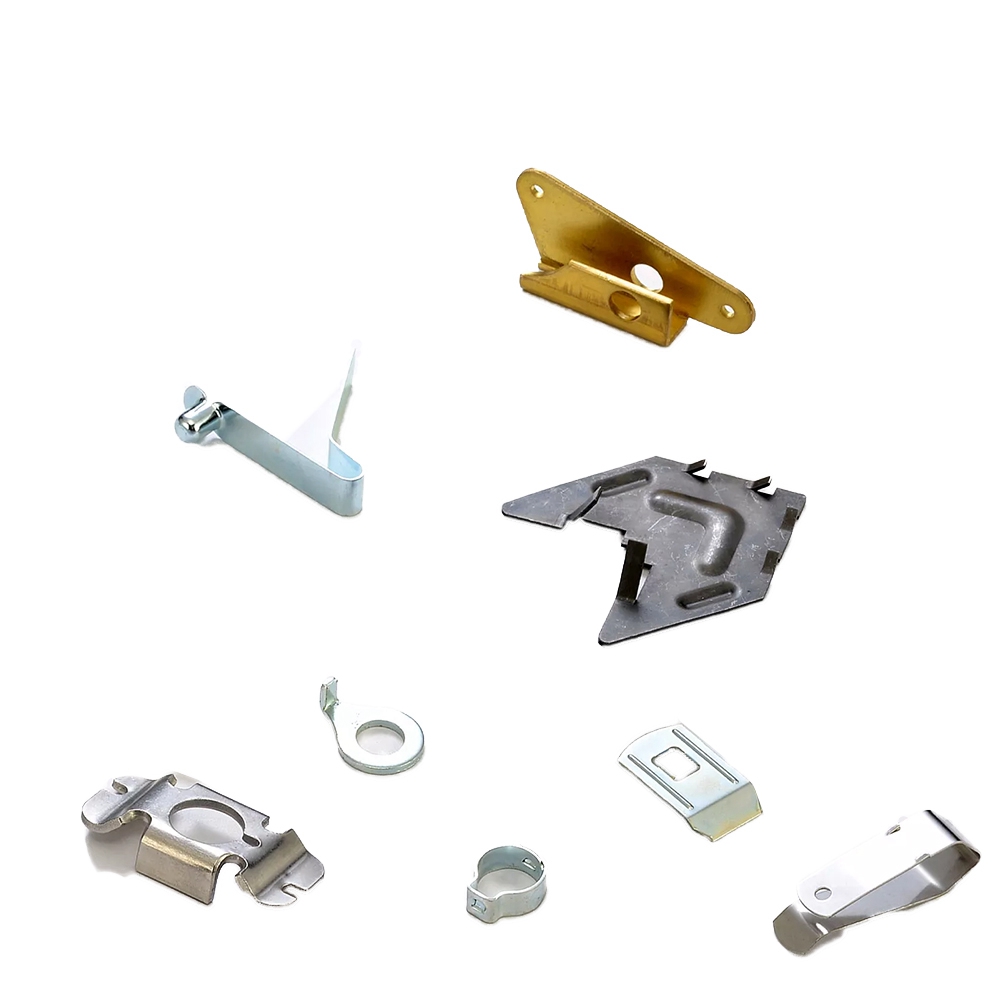
Categorization Frameworks: Mandatory vs. Consumable Parts
Not all components carry the same operational weight. Applying the classic ABC inventory classification framework to automotive inventory revolutionizes how you allocate warehouse space. This trusted methodology segments your stock based on criticality, usage frequency, and overall financial impact.
A-Level (Critical/Mandatory): These represent high-impact components that immediately ground a vehicle upon failure. Common examples include heavy-duty alternators, specialized sensors, and primary fuel pumps. While these specific items often carry higher unit costs, you must always hold adequate safety stock. The financial penalty of prolonged vehicle downtime far outweighs the carrying cost of holding these critical components on your shelves.
B-Level (Predictable Wear): These are routine maintenance items featuring highly predictable lifecycles. Think of standard brake pads, serpentine belts, and wiper blades. For B-level items, focus heavily on just-in-time (JIT) procurement logic. Because you can forecast their wear rates accurately through mileage logs, you do not need to overstock them. Simply align your purchasing schedule directly with upcoming preventative maintenance calendars.
C-Level (Consumables): These encompass low-cost, extremely high-volume items. Oil filters, standardized fasteners, lubricants, and fuses fall squarely into this tier. Focus on bulk purchasing to secure favorable volume discounts. Consider setting up vendor-managed inventory (VMI) arrangements for these specific goods. Let your supplier take full responsibility for keeping these high-turnover bins full.
How do you assign these criticality tiers effectively? Follow this strict shortlisting logic to audit your current Auto Spare Parts inventory:
- Extract the last 12 months of maintenance work orders from your current system.
- Identify the top 20% of parts responsible for 80% of emergency repairs. Classify these immediately as A-Level stock.
- Review all preventative maintenance schedules to isolate predictably consumed items. Assign these to the B-Level tier.
- Group the remaining low-cost hardware, shop rags, and fluids into the C-Level tier.
- Assign strict reorder parameters to each individual tier based on known supplier lead times.
The ROI of a Standardized Parts List
Many warehouse managers view data organization as mere administrative busywork. We must map this administrative setup directly to tangible business outcomes. A highly structured inventory system delivers measurable Return on Investment (ROI) across multiple operational fronts.
Consider the direct impact on downtime reduction. When a vehicle enters the service bay with a blown water pump, the clock starts ticking immediately. If mechanics must dig through disorganized bins, repairs stall. If the purchasing desk must scramble to find a reliable vendor, delays multiply rapidly. However, knowing exact bin locations and utilizing pre-vetted supplier lists changes everything. This elevated level of organization routinely turns a chaotic 3-day repair ordeal into a highly predictable 4-hour turnaround.
Capital allocation also improves dramatically under a structured system. Defining strict minimum reorder points prevents your working capital from sitting frozen on warehouse shelves. When managers lack inventory visibility, the natural human reaction is to over-order "just in case." A standardized, data-driven framework stops this wasteful behavior completely. You only buy what you mathematically need based on historical consumption.
Furthermore, properly categorized lists completely eliminate the threat of "ghost inventory." Ghost inventory refers to parts that physically exist inside your facility but remain completely lost within the digital system. This operational blind spot serves as the primary driver of expensive duplicate purchasing. By linking every single physical component to a verified digital record, you ensure you never buy identical Auto Spare Parts simply because someone misplaced a cardboard box.
Implementation Realities: Integrating Your List into Workflows
Building the perfect digital database represents only the first step. The true operational challenge lies in workflow integration. We must address the primary point of failure head-on: data degradation over time. This degradation almost always stems directly from technician non-compliance. If mechanics bypass the barcode checkout system to save time, the digital list rapidly loses its accuracy.
To combat this steady degradation, rollout lessons advocate strongly for standardized naming conventions. Ambiguity destroys relational databases. If one inventory clerk enters "Water Pump" and another later enters "Pump, Water," you instantly create redundant records. Establish a rigid noun-first naming rule across your entire maintenance operation. Enforce this rule strictly during onboarding.
Next, consider the realities of system integration. Most companies start their journey using a robust Excel or CSV file. Eventually, you must import this static list into a modern Computerized Maintenance Management System (CMMS) or Enterprise Resource Planning (ERP) platform. Ensure your spreadsheet column headers exactly match the destination fields in your chosen software. This careful mapping prevents catastrophic data corruption during the initial upload process.
Finally, successful software integration requires exceptionally strong change management. You cannot simply set the system up and walk away. Detail the absolute necessity of routine cycle counting to your team. Conduct periodic physical audits of specific warehouse bins every single week. Cycle counts ensure the digital list continuously reflects physical warehouse reality. Without routine audits, small discrepancies will slowly multiply until the system loses all credibility among the staff.
Conclusion
Mastering inventory management requires a fundamental shift in business perspective. You must stop viewing parts lists as tedious administrative paperwork. Instead, recognize them as highly effective cost-control mechanisms. A structured database protects your working capital, empowers your mechanics, and keeps your fleet reliably on the road.
Take immediate action to regain total control over your stockroom. Start by downloading a structured inventory template that includes mandatory fields for SKUs, bin locations, and reorder points. Next, conduct an initial ABC audit focusing strictly on the top 20% of your most frequently consumed components. If your operation has clearly outgrown manual spreadsheets, request a demo for an automated inventory management platform today. Action drives efficiency.
FAQ
Q: How often should a spare parts list be updated?
A: You should update your database dynamically as daily consumption occurs. However, conduct physical cycle counts weekly or monthly to verify ongoing accuracy. Major structural updates remain mandatory during large trigger events. These events include acquiring new fleet vehicles, onboarding new primary suppliers, or permanently retiring legacy equipment.
Q: What is the difference between a Bill of Materials (BOM) and a spare parts list?
A: A Bill of Materials (BOM) acts as the comprehensive engineering recipe used to build an asset entirely from scratch. It includes every single rivet and wire. Conversely, a parts list highlights only the specific, replaceable components required to maintain and repair that asset over its operational lifecycle.
Q: How do I handle obsolete auto spare parts on my list?
A: Never delete obsolete items entirely from the system, as this action permanently destroys vital historical maintenance records. Instead, flag the specific SKU as "inactive" or "deprecated" in your database. This preserves the financial repair history while effectively removing the component from active purchasing dashboards and reorder reports.
Q: Should we include tools in our spare parts list?
A: You should carefully track high-value tools, but keep them in a completely separate asset tracking registry. Do not mix them with consumable inventory. Tools are depreciating assets that mechanics return to the tool crib. Auto parts are strictly consumed items permanently installed into a vehicle.


